
Last updated: December 7, 2025, 4:58 am
Introduction
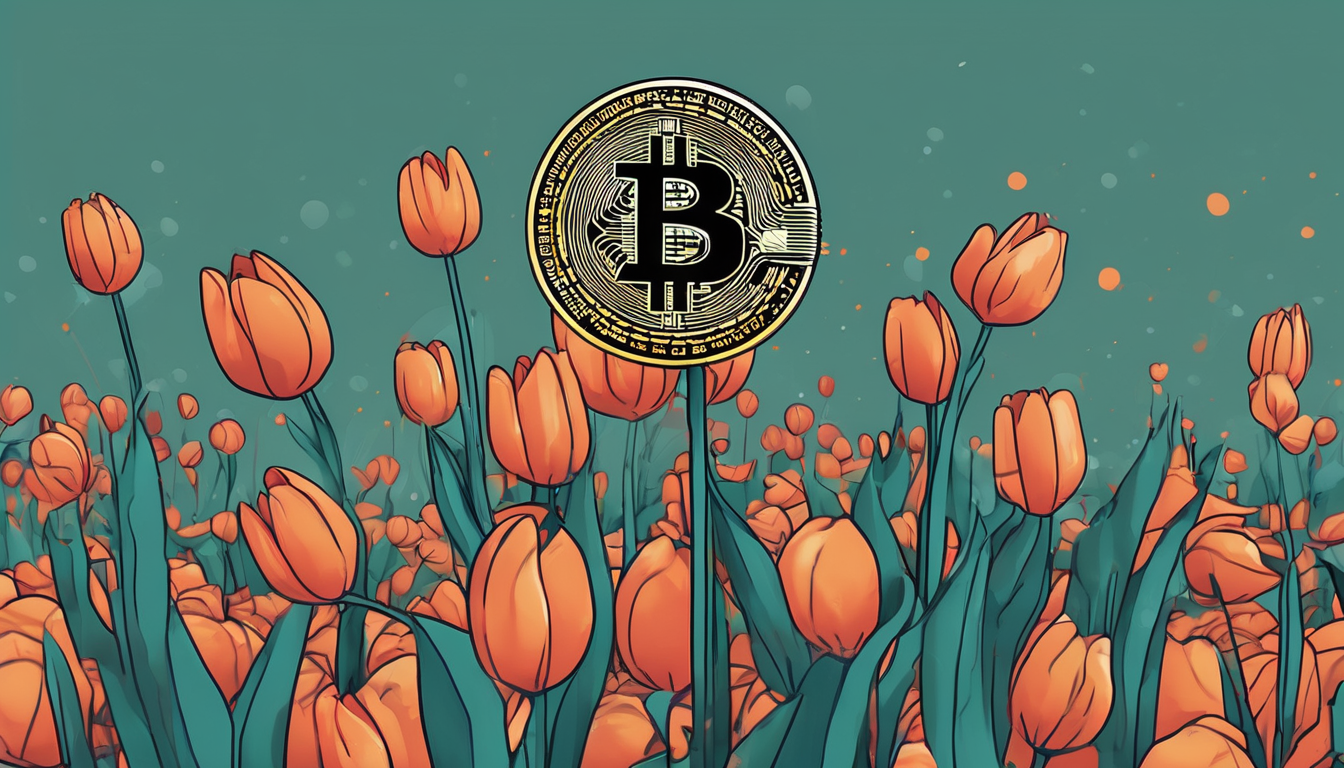
Bitcoin, the pioneering cryptocurrency, has recently marked its 17th anniversary, prompting renewed discussions about its long-term viability and comparisons to historical financial bubbles, particularly the infamous tulip mania of the 17th century. ETF expert Eric Balchunas has weighed in on this debate, asserting that Bitcoin’s resilience over nearly two decades debunks these comparisons.
As Bitcoin continues to evolve, its ability to recover from market downturns and adapt to regulatory changes has led many to reassess its role in the financial landscape. This article explores Balchunas’s insights and the broader implications for Bitcoin’s future.
Background & Context
Tulip mania occurred in the Netherlands during the 1630s, characterized by an extraordinary surge in tulip bulb prices, leading to a speculative bubble that ultimately collapsed. Critics of Bitcoin often liken it to this historical event, suggesting that its value is purely speculative and unsustainable.
However, Bitcoin has demonstrated a remarkable capacity for recovery and growth since its inception in 2009. With multiple cycles of boom and bust, the cryptocurrency’s trajectory has been marked by increasing adoption, technological advancements, and institutional interest, challenging the notion that it is merely a passing fad.
What’s New
- Eric Balchunas’s recent statements on Bitcoin’s resilience.
- Comparison of Bitcoin’s recovery patterns to historical financial bubbles.
- Growing institutional interest and regulatory developments.
Balchunas argues that Bitcoin’s 17-year history sets it apart from tulip mania, emphasizing its ability to recover from significant price drops. He notes that while tulip bulbs had no intrinsic value, Bitcoin’s underlying technology and utility contribute to its worth.
Recent market trends indicate a shift in perception among investors, with many viewing Bitcoin as a legitimate asset class rather than a speculative bubble. The increasing number of Bitcoin Exchange-Traded Funds (ETFs) and institutional investments further solidify this perspective, suggesting a maturation of the cryptocurrency market.
Market/Technical Impact
The market for Bitcoin has shown resilience in the face of volatility, with prices rebounding after significant downturns. This pattern of recovery is indicative of a growing base of support among investors and users. Furthermore, the introduction of Bitcoin ETFs has facilitated easier access for institutional investors, contributing to increased demand.
Technically, Bitcoin’s blockchain technology continues to evolve, with upgrades aimed at improving scalability and security. These advancements enhance the overall functionality of the network, making Bitcoin more appealing to both retail and institutional investors.
Expert & Community View
Experts in the cryptocurrency space, including Balchunas, advocate for a nuanced understanding of Bitcoin’s value proposition. They argue that its decentralized nature, limited supply, and potential as a hedge against inflation differentiate it from assets like tulips, which had no real utility beyond speculation.
The community surrounding Bitcoin remains optimistic, with many proponents highlighting its role as a store of value akin to digital gold. This sentiment is echoed in various forums and discussions, where advocates emphasize the importance of education and awareness in combating misconceptions about Bitcoin.
Risks & Limitations
Despite its resilience, Bitcoin is not without risks. Regulatory scrutiny remains a significant concern, as governments worldwide seek to establish frameworks for cryptocurrency operations. Additionally, market volatility can lead to substantial financial losses for investors, particularly those who enter the market during speculative bubbles.
Moreover, technological challenges such as scalability and energy consumption continue to be points of contention. While ongoing developments aim to address these issues, they pose risks that could impact Bitcoin’s long-term viability.
Implications & What to Watch
The implications of Balchunas’s analysis extend beyond Bitcoin, influencing perceptions of the broader cryptocurrency market. As Bitcoin continues to demonstrate resilience, it may pave the way for increased acceptance of other cryptocurrencies as legitimate assets.
Investors should monitor regulatory developments, technological advancements, and market trends closely. The upcoming introduction of more Bitcoin ETFs and potential institutional adoption will be critical indicators of Bitcoin’s trajectory in the coming years.
Conclusion
Bitcoin’s 17-year history has proven its capacity to withstand challenges and recover from setbacks, making comparisons to tulip mania increasingly irrelevant. As the cryptocurrency matures, its potential as a legitimate asset class becomes more apparent. With expert insights like those from Eric Balchunas, investors are encouraged to look beyond historical comparisons and consider the unique attributes that Bitcoin offers in today’s financial landscape.
FAQs
Question 1
What is tulip mania, and how does it relate to Bitcoin?
Tulip mania was a speculative bubble in the 17th century involving tulip bulbs, which ultimately collapsed. Critics compare it to Bitcoin, suggesting both are speculative assets. However, experts argue Bitcoin’s underlying technology and resilience differentiate it from tulip mania.
Question 2
What are the main risks associated with investing in Bitcoin?
Key risks include regulatory scrutiny, market volatility, and technological challenges such as scalability and energy consumption, which could impact Bitcoin’s long-term viability.
This article is for informational purposes only and does not constitute financial advice. Always do your own research.

